Guide
Can you reuse potting soil? When to keep it and how to refresh it
Yes, as long as the plants that grew in it were healthy. Pick out the old roots, then mix it with fresh potting mix or compost before you replant: half and half by the University of Maryland's advice, or one part new to three parts old by LSU AgCenter's. If the last crop had root disease, insects or weeds, throw the mix out.
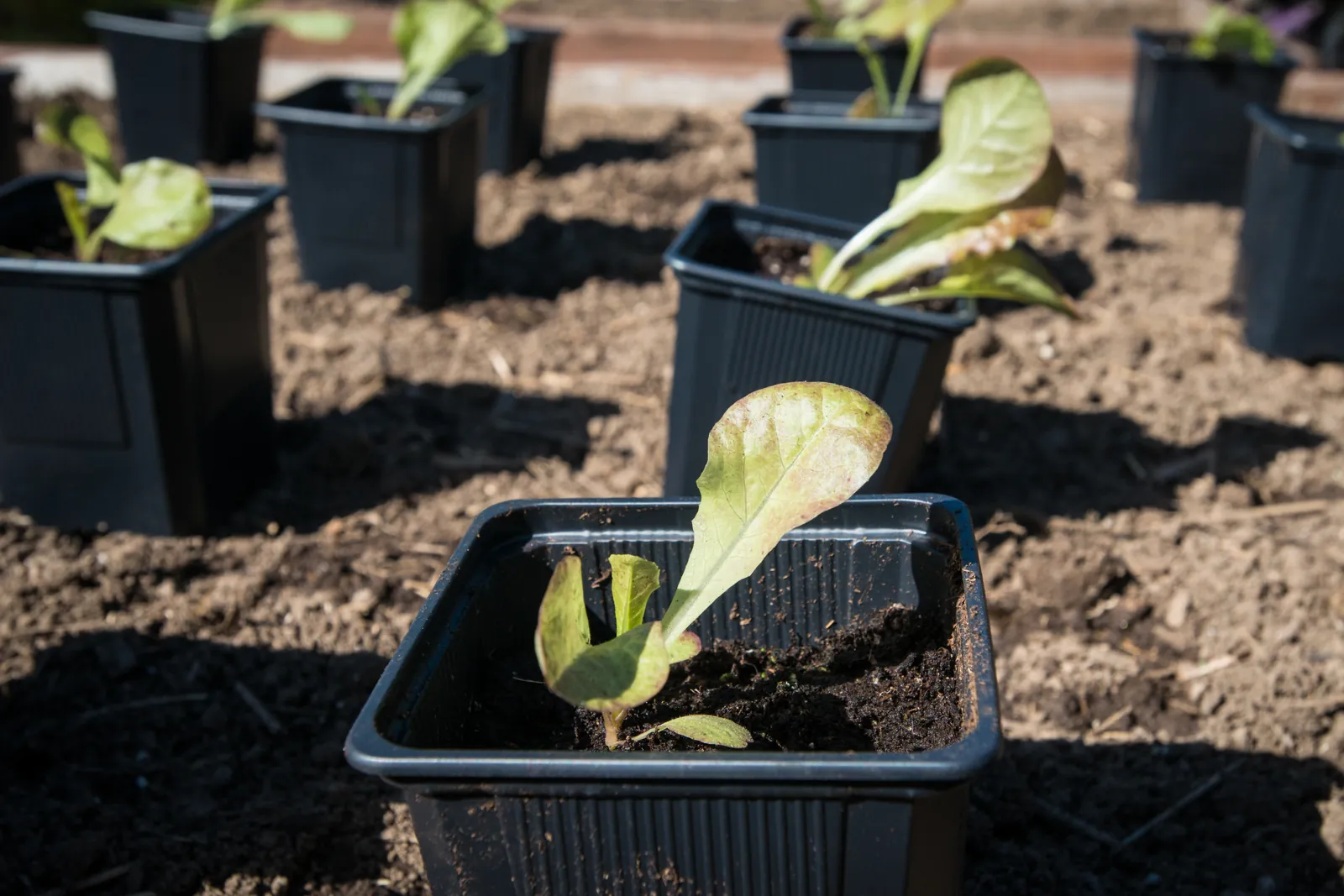
Can you reuse potting soil? Start with how the last crop ended
Most of what grows in a balcony pot lives for one season. LSU AgCenter points out that container annuals, herbs and vegetables complete their life cycle within a year, and its horticulturist Heather Kirk-Ballard says that when the plants were healthy and simply came to the end of that cycle, both the pots and the mix can be replanted. The exceptions all come down to what may still be living in the mix.
| How the last crop went | Reuse the mix? | Source |
|---|---|---|
| Healthy plants that died back at the end of the season | Yes, refreshed with new mix or compost | LSU AgCenter, University of Maryland |
| Root diseases were a problem | No, don't save it | University of Maryland |
| Plants died of a bacterial, fungal or viral disease | No, pathogens can stay active in the soil | LSU AgCenter |
| Insects or weeds were a problem | No, eggs and weed seeds stay behind after the plant is gone | UC Master Gardeners, Santa Clara County |
| The pot was filled mostly with garden soil | Not as it is; topsoil belongs only in very large containers, at 5 to 10% of the volume | University of Maryland |
A mix that fails the check still has uses outside a container. LSU suggests filling holes in the yard, topping up landscape beds, spreading it thinly over a lawn or adding it to the compost.
How to refresh potting soil
Bagged mix is usually some combination of peat moss or coir, perlite, vermiculite, composted bark and compost, with a little lime and fertilizer. A season in a pot changes it. The University of Maryland Extension says soilless mixes and compost lose nutrients and break down physically over time. Refreshing replaces what a season used up.
Tip the pot out onto a tarp or into a bin. Pull out the old plant along with its dead leaves, stems and the plant tag, and crumble the root ball so the fine roots come free. LSU sorts through the mix at this stage for large roots, grubs and insects. Then blend in fresh mix, compost or both. LSU's list of amendments includes perlite, which drains well and weighs less than sand, vermiculite, and sphagnum peat moss, which LSU says to add sparingly. Sand also improves drainage but makes a pot very heavy.
Fertilizer goes in last. The starter charge in a new bag only lasts the first few weeks after planting, so last year's mix has none left, and a slow-release feed at replanting takes its place. Rates and schedule are in container fertilizer basics.
How much fresh mix to add: 1:1 or 1:3
The two extension sources give different ratios. Maryland mixes last year's media 50:50 with fresh media and/or compost. LSU bulks up old media with one part new potting soil to three parts old. Our suggestion is Maryland's half and half when the old mix has slumped and packs down in the hand, and LSU's 1:3 when it still feels loose and the pot held its level all season. Either way, you end up with old mix left over, because you only need part of it to refill the same pots.
The arithmetic assumes the pots go back to the same size. Moving up to a bigger container for spring? Look up the volume for each crop in the container size chart and enter that.
Sterilizing old potting soil, and why fall is the wrong time for sun
Heat kills most of what makes old mix risky. The UC IPM pest note on soil solarization covers containers specifically: moist soil in bags, pots, buckets or flats, raised on pallets and covered with a double tent of clear plastic. In the warmer parts of California, soil in black plastic bags passes 160°F. The treatment approved in California for nursery soil is 158°F held for at least 30 minutes or 140°F for at least 60, measured at the center of the bag or pile.
UC IPM also says the method works best in warm, sunny places during the summer months. A bag left on a balcony in November is unlikely to get there. LSU's version, sealed black contractor bags in the sun for four to six weeks, is a July job. Our advice for fall: bag the mix now, store it, and solarize it next summer before it goes back into pots.
If you need it sooner, use the oven. LSU bakes the mix in an oven-safe pan under foil at 175 to 200°F for 30 minutes, or microwaves 2 pounds at a time on full power for 90 seconds. Clemson's HGIC heats soil until the coolest spot in the tray reaches 180°F for 30 minutes and warns about the smell. Both methods also speed up decomposition, which is why LSU adds compost or another amendment afterward.
What to do with old potting soil over winter
Maryland empties the containers in fall, removes plant residues and tags, and stores the mix in a trash can, a storage tub or heavy-duty trash bags until spring. A lidded bin is the better choice outdoors. Mix kept dry weighs far less than the same mix after rain, as the figures in our container soil weight chart show, and that matters if the bin sits on a balcony all winter.
A pot that goes straight back into use this month skips storage. Garlic is the usual one in late October, and the cloves sit in that mix until they are lifted next June or July, so refresh it before you plant the garlic cloves.
Garden soil in a pot by mistake
Virginia Cooperative Extension says soil straight from the garden usually can't be used in a container. It may contain too much clay, which in a pot holds too much water when wet, leaves the roots short of air and pulls away from the sides when it dries. Maryland allows topsoil only in very large containers and at no more than 5 to 10% of the volume. A pot that is mostly garden soil is better emptied into a bed and refilled with potting mix than refreshed.
Frequently asked
Yes, if the vegetables that grew in it were healthy. University of Maryland Extension mixes last year's media half and half with fresh mix or compost before replanting, and does not keep mix from pots where root diseases were a problem.
Yes, with the same refresh as one-year-old mix. Soilless mixes and compost lose nutrients and break down over time, according to University of Maryland Extension, so older mix needs fresh material and fertilizer worked in.
Mix it through instead. Both University of Maryland and LSU AgCenter describe blending new and old, at 1:1 and 1:3 respectively. A layer of fresh mix on top leaves the roots growing into the tired mix underneath.
Empty the pots, remove roots, dead leaves and plant tags, and store the mix in a trash can, storage tub or heavy-duty bags until spring, as University of Maryland Extension does. Mix you will not reuse can fill holes, top up garden beds or go on the compost pile.